
Author Glorian Ray
Sinologist and thinker, fluent in five foreign languages and winner of the New Europe Journalism Award. Entrepreneur and educator with professional experience in China, Brazil, and Southeast Asia, he also contributes to online magazines devoted to numismatics. A passionate traveler and eclectic reader, he is a devoted admirer of nature, art, and history, and holds a Master’s degree from one of the world’s most prestigious universities.-----Español
Sinólogo y pensador, fluido en cinco idiomas extranjeros y ganador del New Europe Journalism Award. Emprendedor y educador con experiencia profesional en China, en Brasil y en el Sudeste Asiático, también colabora con revistas en línea dedicadas a la numismática. Viajero apasionado y lector ecléctico, es un devoto admirador de la naturaleza, el arte y la historia, y posee un Máster obtenido en una de las universidades más prestigiosas del mundo.-----Italiano
Sinologo e pensatore, fluente in cinque lingue straniere e vincitore del New Europe Journalism Award. Imprenditore e educatore con esperienza professionale in Cina, in Brasile e nel Sud-Est asiatico, è anche collaboratore di riviste online di numismatica. Viaggiatore appassionato e lettore eclettico, è un devoto ammiratore della natura, dell’arte e della storia, e possiede un Master conseguito in una delle università più prestigiose al mondo.
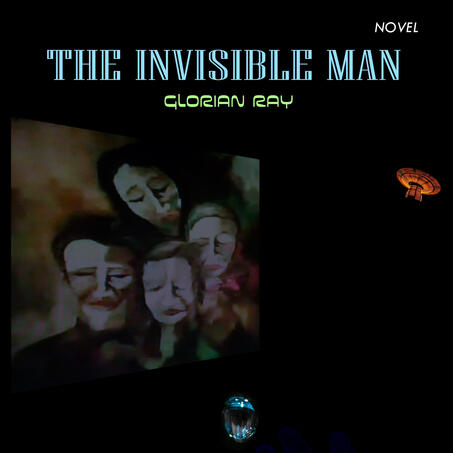
The story of an honest man, humiliated by society all his life, who becomes a superhuman force.This is an action-driven political sci-fi thriller where the Invisible Man, aided by an advanced extraterrestrial race, takes revenge on those who ruined him—and rises to seize control of the entire world. His victory, orchestrated by the aliens, is the only way to save humanity from self-destruction.Corruption, greed, and violence are swept away by a new universal government: one based on equal education (beyond family influence), human cooperation without money or armies, and a society where most criminal punishments no longer exist.A thought-provoking, gripping tale of vengeance, transformation, and the rebirth of humankind.
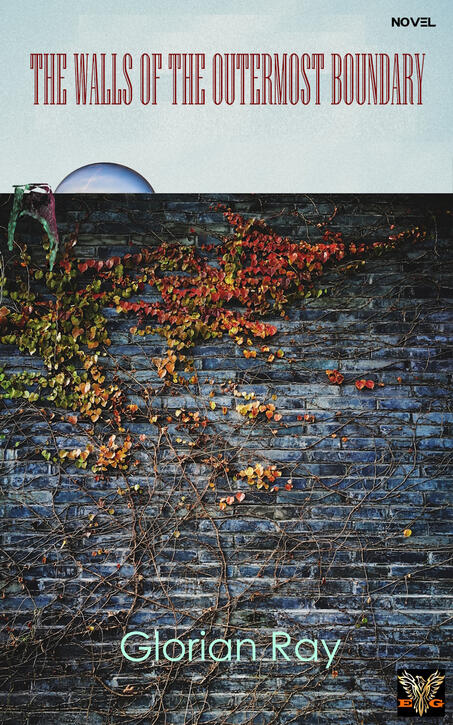
A science-fiction thriller set in China, on the island of Hainan—an increasingly popular tourist destination—portrayed with vivid realism and enriched by current social, cultural, and economic references. The narrative, after a partially introspective opening chapter, quickly builds momentum, leading to a physical confrontation between two human protagonists and two extraterrestrial beings. Ivan and Bing Bing set out to unravel the mystery behind the remains of dead animals and extraordinary luminous phenomena, which culminates in the shocking discovery of corpses inside the Sanya hotel where they both work, and in the ultimate, decisive clash.The story is told in the first person, with alternating voices from the main characters: Ivan, a young European newly employed in a luxury hotel, narrates in the chapters marked with cardinal numbers; the alien perspective emerges in the chapters identified by Roman numerals; and, as a unique exception, one chapter is entrusted to Bing Bing, a young Chinese woman working at the same hotel and Ivan’s love interest. This narrative structure allows the reader to experience the profound intellectual and cultural contrasts between such different beings—an extraterrestrial, a European man, and an Asian woman. Beyond the innovative technological details, the alien’s critical perspective highlights the limitations of humankind: misunderstandings, racism, conflicts, and inefficiencies, symbolized by the “walls” referenced in the novel’s title.
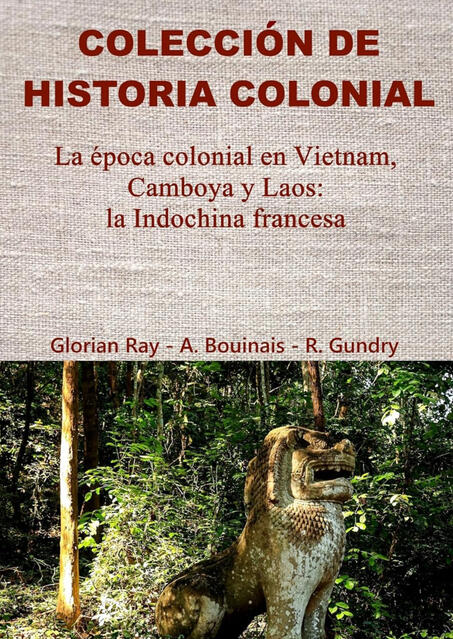
Este texto nos transporta a la Indochina de finales del siglo XIX, una región marcada desde siempre por conflictos étnicos y por la desconfianza entre culturas diversas. El Imperio francés tuvo que afrontar enormes gastos y constantes revueltas, pero logró finalmente imponer cierta unidad en aquellas tierras aún atrasadas. La narración no se limita a exponer los aspectos geográficos y etnográficos, sino que aborda también las complejas dinámicas políticas, interétnicas y económicas que definieron aquel momento crucial de la historia.
La colección de historia colonial presenta una serie de obras reescritas, actualizadas y adaptadas para el lector contemporáneo. Son textos traducidos a partir de los escritos originales de autores que vivieron hace más de un siglo y que pudieron observar de primera mano la realidad de los países entonces marcados por la presencia europea. Surge así un retrato vívido de sociedades que, aunque transformadas, aún conservan los efectos de aquella época histórica: avances sanitarios, tecnológicos, educativos y económicos que siguen proyectándose hasta la actualidad. La serie incluirá también volúmenes dedicados a otras antiguas colonias francesas, británicas e incluso holandesas.
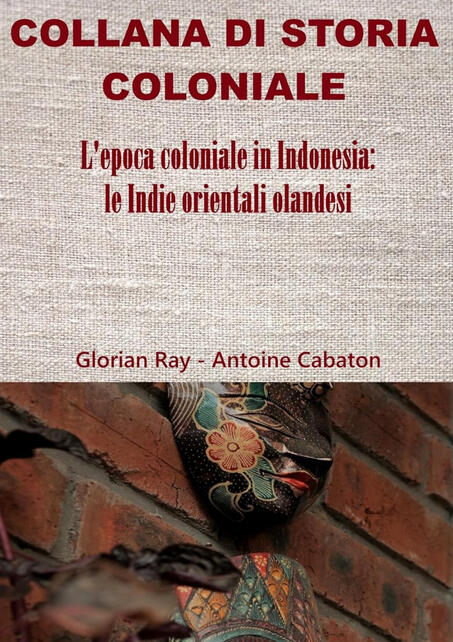
Il presente testo ci conduce nell’Indonesia di fine Ottocento, un arcipelago composto da una miriade di popoli ed isole mai realmente unificati fino all’avvento dell’amministrazione olandese. Come una macchina del tempo, l’opera permette di comprendere le condizioni di vita dell’epoca e le origini dell’attuale nazione, con le sue contraddizioni, le sue difficoltà e i suoi aspetti positivi. La narrazione non si limita a descrivere gli elementi geografici ed etnografici, ma affronta anche le complesse dinamiche politiche, interetniche ed economiche che segnarono quel cruciale periodo storico.La collana di storia coloniale propone una serie di opere riscritte, aggiornate e rese più accessibili al lettore contemporaneo. Si tratta di testi tradotti dagli scritti originali di autori vissuti oltre un secolo fa, che poterono osservare direttamente la realtà dei paesi allora segnati dalla presenza europea. Ne emerge un quadro concreto di società che, pur trasformate, conservano ancora oggi gli effetti di quella stagione storica: benefici sanitari, tecnologici, educativi ed economici che si proiettano fino al presente. La serie comprenderà anche volumi dedicati ad altre ex colonie francesi, britanniche e persino olandesi.